Monday, 10 March 2014

The 2014 Reading & Leeds Festival Line-up is Rubbish. Or I'm Old. Or Music is Pants.

This evening the majority of the Reading & Leeds Festival (or should that be Leeds and Reading?) was revealed. Here it is.

For £210 you could visit what is considered amongst the best new music festivals in the country. Heck, even Europe. Across two venues and 3 days, it has also been the mainstay of my summer.

My first weekend visit was in 2006 and I haven't missed one since. That's 8 Leeds Festivals in a row, for all 3 days. I can't even begin to count how many different live acts that is, nor how much it has cost in total. But certainly, I've had a great time.

Some fantastic moments have come from Reading and Leeds. Far too many to pick a favourite. The worst performance I ever saw was there too (naming no names). So, imagine my excitement when the 2014 line-up is revealed. After quite a few teasers from the OfficialRandL Twitter account, the hint at a double head-liner on one of the days, the net result was something of a let down. But why? Certainly, 2014 will be the first that I will not be there for the full weekend, and at this point, net even with a day ticket.

The music does not grab me. Now, I am the first to lay blame at my age. At 25, I am practically retired. Far too old for a festival. But hey, I like to think that I'm up to speed with music. I really do. I love it and I love nothing more than witnessing it live. That isn't stopping soon. But, if you want to call me out of touch, so be it.

No, in fact my main problem is that I have seen most of these acts before. I don't mean away from a festival either, I mean I have seen most of these acts at Leeds Festival itself, before! The problem is the festival is no longer representing what the younger audience is listening to. It seems as if it is trying to please the same audience that went back in 2006, only they are now older. There is a distinct lack of new music on show, yet it has always meant to be predominately about new music since inception. Keeping up with trends, heck, even setting them.

I am sure that it will be a great time with some incredible performances. But the festival is in danger of becoming, well, closer to 30 than 20.

Gone are the days of serious mosh pits, the fight to get to the front, the massive crowd sways, the Sunday night "riots". I was never a fan, always wishing that to go away. It has and I was wrong. These days, it's tame. Enjoyable, but tame and lacking in character. Relying on former glories with the line-up has a part to play.

I'll wrap up now, as I've rambled on for too long already. Even though it doesn't sound like it, I want to go to Leeds and Reading. But, with this music, I really can't. Here are the acts from the 2014 list, that I have seen in the past, at the same festival in previous years. Some not even long ago. As always, tweet me with how wrong I am about this.

  • Queens Of The Stone Age
  • Blink 182
  • Paramore
  • Vampire Weekend
  • Deaf Havana
  • Arctic Monkeys
  • Imagine Dragons
  • Foster The People
  • The Hives
  • Peace
  • Courteeners
  • Warpaint
  • Temples
  • Bombay Bicycle Club
  • Chvrches
  • Cage The Elephant
  • Metronomy
  • Bondax
  • Klaxons
  • Pendulum

(As an aside, haven't most people seen Jake Bugg and Disclosure live already, with their never-ending tours? I know I have)


Friday, 6 September 2013

Stretching A Brand Too Far? - A Costa Coffee Problem

Costa Coffee have had a monumental rise to prominence over the past 5 years or so. Now the UK's largest coffeehouse (and second in the world) there is quite literally an opportunity to purchase a warm legal stimulate around every corner.

This blog comes about due to a crazy scenario I encountered at an M1 service station a few weeks back. Upon arrival, there was an outdoors Costa Coffee stand. Great, nice and convenient. But inside there was also a fully fledged Costa Coffee, just around the corner from the service station hot food area which served, yup, Costa Coffee. This is not forgetting the two Costa Coffee instant machines I'd also walked past. So in one service station, on one side of the M1 there were no less than 5 places to buy the same brand of coffee. Talk about over-kill.

But it goes on. Now pretty much every petrol station in the land has at least one Costa Coffee machine. You can buy Costa Cofee branded refills for your Tassimo coffee machine. Filter coffee? No problem, you can buy Costa branded too! Fancy one of those insulated mugs to take a warm drink with you out and about? You can get a Costa branded one. Now even cafe's within Asda supermarkets have...Costa Coffee! The Asda outlet in Leeds Crown Point, for instance, serves Costa Coffee, but is only a few doors down from a Costa Coffee. Worse, I know of a Costa Coffee that is a joining a Next, which has a cafe, which sells Costa Coffee!

This proliferation of the Costa brand is broadly a good thing. The more chances you see the Costa logo, the more likely you are to be thinking about it and then the more likely you are to feel like having one. Secondly, if you like a product it could lead on to you buying another from a different Costa line. Everyone wins and Costa have branched out to pretty much every revenue stream you could think of (apart from instant coffee, perhaps that's next?)


But here's the flip side. I bought a Costa from one of those service station machines they have (except I was in a WH Smiths, who had 3 of the things in store) and it was awful. I've had one in the past and it was quite pleasant, but not this one. The machine whirred away for what seemed like an hour and what I got was nothing more than steam water, a hint of milk and hardly any actual coffee. I even asked for a 'FREE' Vanilla shot, but didn't get one.

Now, clearly, there was a problem with the machine. Things go wrong, such is life. But by pure chance, I ended up recently in an awkward conversation with someone at a table who happened to be a Costa technician. His job was to drive around, fixing all the broken Costa machines. He assured me that this is an all too often affliction and that the company has expanded far too quickly, resulting in a dive in quality.

A classic dis-economy of scale. Expanding too quickly leads to errors. Without a solid backbone in place, instead of actually gaining customers from having more places to buy your products/services, you start turning away people because they have had negative experiences. The problem Costa are possibly encountering is such and I will certainly think twice before purchasing one again. In the same way a positive coffee could persuade me to buy some instant Costa for home, a bad coffee could put me off the entire brand.

You see, by all means expand, but test, recruit, research and practice before you do. Otherwise, before you know it, Costa may just become a fad rather than a brand with any lasting qualities.

Update:

Not wanting to get left behind, this is the very first thing that greets you upon entry into the Leeds General Infirmary...I kid you not.


Monday, 11 February 2013

The Super Bowl and It's Crazy Adverts

In case you missed it, recently the Super Bowl [XLVII] happened. This is a sporting event that I have a great interest in. Not, however, for the American Football. I once tried to watch it about 3 years ago, but really struggled. I managed until The Who had finished their half-time set and went to bed.

No, I can’t wait until the morning after, when all the amazing SuperBowl adverts get uploaded to the internet. Companies intent on making a statement advertise during the event. Heck, the sport often pauses just for TV Spot breaks. For a budding marketeer like myself, I always make a point to try and watch all the noteworthy adverts. This year was no exception and provided some very interesting trends.

The first is something America is very good at. Patriotism. There are many examples of this in 2013, such as the Dodge RAM pickup truck advert about religious farmers. But, the best (or worst) example this year was the Jeep advert. So “U.S.A.”, it’s no wonder that a great deal of American’s don’t know the wider world. Here we have dramatic music, American cars that are made in America, a voice over from Oprah Winfrey and a celebration of Jeep actually sponsoring the US troops and placing commemorative badges on the ve-hicles! It seems that if you want to sell in America, make it in America. Even the Korean Kia Sorento is now “Made in the US”.

Not going the Patriotic route? Find it too, well, predictable? Well, it would seem, the other trend was to be wacky. A bit out there. VW tried to recapture the public like their previous years attempts with a man speaking like a laid back Bob Marley (a not-so-subtle hint back to the days of Flower Power VW Beetles) but ultimately missed the mark a little. Website hosting service GoDaddy wheeled out both Patriotism (the first famous lady racing driver, Danica Patrick, who is American) and Wacky (a stereotyped geek, kissing a leggy blonde model). But far from the perfect marriage, it was a bit sick.


Other noteworthy weirdness was Fiat suggesting the electric 500 is good for sex, Stevie Wonder promoting Budweiser and Axe (or Lynx as we know it in the UK) running a promotion to literally send a competition winner into space. While we’re on a role, how about Mercedes-Benz trying too hard to be hip. The advert for the new CLA car features a young man, but the soundtrack is the Rolling Stones. Then Usher appears. Talk about not-cool Uncle talking about how many Friends he has on Facebook....

All the weirdness, is of course, very deliberate. It causes people to talk about the brand. So they hope. But there were a couple of spots that were genuinely funny. The M&M advert where they parody Meatloaf’s I Would Do Anything For Love was particularly smart, and Dwayne Johnson (aka The Rock) being self aware to promote milk while there is an apocalypse showed a certain self awareness.


We were also treated to PSY doing a version of G
angnam style.....but about....Pistachio nuts. No really. It has to be seen to be believed.

But lastly, the overarching theme was Social Media. Every single ad had to have an official #Hashtag. They were literally everywhere. Once a nice way of monitoring if your advert was a success of not, now very much de rigueur. More importantly, the hashtags used were universally odd. For instance, Audi's wasn't #Audi or #AudiSuperBowl but #Bravery. yes, it may get people talking on the internet, but is it on message for the brand?

However, despite all the gigantic sums of money paid for the advertisement slots, Oreo stole the show. Not only was their advert funny and clever, but their marketing team pulled an allnighter. During the game, the stadium suffered from a power-outage for about an hour. Oreo tweeted a pic, and they got more Tweets, Mentions and Retweets than anyone else. Well played Oreo.

Until next year, #SuperBowlAdvertHashTagOurBrandIsCool.

Tuesday, 13 November 2012

This Evening I Went To PC World....

There is some belief that out of the burning corpse that is Comet, PC World (and sister brand Currys) will rise from the ashes and finally turn in decent profits. The customers that would have otherwise shopped at Comet, will now turn to the main rival instead. Not only that, but over the two years or so, the company has invested millions in flagship joint-branded PC World & Currys stores with the emphasis on " ensuring a better shopping experience for customers."

"Try as I might, I couldn't actually find anyone to take my money from me"

So, off I popped to my local shop. I knew what I wanted and how much it was. I walked to the section and was greeted by an impressive stand that looked the business. Then I waited. Waited some more. And some more, for good measure. Try as I might, I couldn't actually find anyone to take my money from me. Yet more waiting followed. I understand that staff members will have been with other customers, but for the size of the shop, the number of on floor staff was a bit silly.

No matter, I had made the trip and they would get my money eventually. In the end, I was served, but little inspired confidence. Despite being a self proclaimed "PC Expert", lets call them "Dave", they clearly weren't. I didn't do the big headed move of pointing out what I was buying wasn't even a PC. After several attempts at explaining how I had already made my mind up, it was off to the checkout.

"I know that there is absolutely zero margin in electronic goods"

Now, I know that there is absolutely zero margin in electronic goods. I also get that in order to pay the rent, the bills and the wages, the company needs to make said margin. But on three occasions I was given the spiel about extended warranties. Wouldn't have minded once. But three times. Not only that, but across the course of 2 years, it added up to an eye popping £179! The device itself was only £230.

Erm, except it didn't, as "Dave" had managed to get hold of the wrong product, something costing around £350. After a few more minutes of head scratching and display stand alarms ringing, "Dave" finally admitted defeat and asked someone else where the stock was located. Once back to the counter, the extended warranty premium was significantly reduced, but still not for me. It got to the point where I actually felt bad for "Dave". I started to think about any commission or bonus or even positive mention from his boss I may have been keeping from him by saying no. Images of him not being able to buy food because of my failure to sign my life away on something I didn't want suddenly flashed before my eyes. I was having to try really hard not to say yes.

But I stood firm, apologising profusely of course. In the end, I did at least give "Dave" my details and he got the last laugh as when the check box appeared for "No Marketing" (direct mail) on the screen, he didn't ask me and hit continue without my consent. When I got home, someone had written some codes on the box in red Biro too. Damn. Should have got that extended warranty....

Friday, 2 November 2012

2 Weeks With A Windows Phone....

.....a Nokia Lumia 900, no less. Why is this important? Well, the current mobile phone market is dominated by iOS (Apple) and Android (Google - through manufacturers such as Samsung, Motorola, LG etc..), Microsoft and Nokia are currently beavering away to match or better the market leaders and gain a larger slice of the smartphone pie. The more competition, the more likely companies are likely to innovate and that means we all win.


With that in mind, Nokia were kind enough to send across a Lumia 900 to see if I could live 
with one in lieu of my beloved HTC OneX. Now, the thing to bear in mind here is what operating system the phone is running. Bear with me, it's a little geeky. Windows Phone 8 has just been launched and the new Lumia 920 is on sale from this weekend. This phone, the Lumia 900, was the flagship in Nokia's range. It came running Windows Phone 7.5 and will be updated in the future to WP 7.8. But, it will never get Windows 8, nor any of the latest Windows 8 apps. Phew! Right, have you got that? Good.

So, where does this phone fit in the market place? After using it for the two weeks, I can safely say there is a place, just not quite where you, or Nokia, expect it to be.

"A Finnish slice of fresh air, cutting through an otherwise stale market place."

First of all, the phone looks brilliant. It's a Finnish slice of fresh air, cutting through an otherwise stale market place. The bold colours (blue as tested) combined with the bleeding edge profile combine to make a phone that really does stand out for all the right reasons. It's not just the exterior styling too, as the user interface is like something out of a 70's Star Trek episode. Only more forward thinking and minus the tape deck...


The phone itself, in terms of hardware, is very powerful. The phone zips along and is very snappy, but you get the impression that Windows Phone 7 isn't quite so speedy. For instance, multi-tasking feels a step backwards and jumping from one app to another can be laborious. When you do open an app, for instance Twitter, the design is once again dripping with cool. The Windows theme across all apps really is a joy to behold. Nothing is as distinctive and I found myself smiling at the design touches within certain apps (to which people thought I was a bit mad..)


Then again, the apps aren't always as they seem. Yes, there is Spotify on there, but it is clearly an older version of the app compared with versions on other platforms. The same can be said of Twitter and Foursquare. Most apps I found even display old company logos and fonts that have long been superseded. So while all the apps that 99% of users require are on the store, if you are swapping from say an iPhone 3GS/4 or a 18 month old Android phone, e.g. HTC Desire or Desire HD that is just out of contract, you may have to use older versions of the same apps on the Lumia 900.

"The design, the ergonomics and the hardware power are all top notch."

That said, the phone itself is brilliant. The design, the ergonomics and the hardware power are all top notch. Then there is also the camera. If you want a phone to use as your primary snapping device, there are few phones, if any, that are as good as the Lumia 900. You don't get that horrible "white-eye" effect when the flash is used, there is a dedicated camera button which launches the app straight away and image quality (for a phone) is class-leading. Nokia clearly haven't lost the knack for making a fine piece of hardware.
The idea of owning a Nokia may bring memories of playing Snake on a 3210, so this phone has to work hard to shake off those old cliches. Thankfully, it just about manages it. One thing I found was that the design cuts a dash and makes people intrigued as to what the phone is that you are using. But then, once you say "Nokia" there was a bit of explaining to do as why you own it. So, going back to the original question, just what is the place in the market for the Nokia Lumia 900?

Well, price could and should be the defining factor. At launch, this was a premier priced phone, circa £450 unlocked and on the higher tier monthly contract pricing. But, if you hunt around, there have been some incredible deals , well under the £200 mark (although the best price at the time of writing was £299.99). So, this phone combined with a cheap SIM-only monthly contract deal could be the ideal phone for someone who wants to stand out, but still use a phone for social media and picture taking.

There is then a perfectly logical reason for purchasing a phone which left me endeared to it's unique charms but, more than anything, lays the platform for a successful Nokia Lumia 920 and Windows Phone 8.

Saturday, 18 August 2012

Retail Is Dying, No Kidding

I just bought a few new things and I didn't buy them online. Shock horror. I've always enjoyed the high street. I'm a strong advocate of being able to browse before buying. Being able to to try something out. In many ways, such as clothes, I'd very very rarely shop online. The same applies to sandwiches. So there is a place for a physical, retail shop.

But let's be honest, for things such as electronics or entertainment products, you can research online and then buy at a slightly cheaper price and it doesn't matter that you have to wait days on end for delivery because you bought the right product at the right price.

A sorry sight
Today, I wanted a couple of items myself but decided to give to humble old retail park a chance. First up, I thought I'd see if Comet had a case for my Nexus7 tablet. The sad thing is, I knew it would be a long shot. Sure enough, they didn't have any, but perhaps it was an unfair question. Yet instead of then response being "we will look to see which other Comets have some in stock" or "we don't have any, but I will check to see if we have some on order" or even "I can order one for collection at a later date" what I actually got was "we don't have one but try Argos." Well, I suppose it was helpful in its own way, kind of, but talk about shooting yourself in the foot.


No, not a store opening, just a queue.
Turns out I did indeed go to Argos, but for a PS3 game. Figured I pretty much only use it for video streaming these says and it has been months since I bought a game for it. My first problem was the game was new and therefore not in the printed catalogue. No problem as Argos have touch screen computer thingies to search for products. Only the 4 that were free had all crashed. When I did find one and gone to the till to pay, I got a speech that staff had to say about refunds and then the offer of a Argos Credit Card.

Then, the collection process was a joke. I was called to the collection point before my product had arrived, when it did arrive I could see it sat there but not enough staff we free to hand it to me and then to cap it off, my product was given to someone else! At this point I interjected, but I was not given the game, it went back on the shelf to wait again at the back of the queue. Not only that, but the store was incredibly and unbearably warm.


"I was greeted by polite staff, a smile, a cool and stylish environment and quick service."

I needed to chill out and visited a Costa where I was greeted by polite staff, a smile, a cool and stylish environment and quick service. After that, I visited a discount store for cheap chocolate while being gently wafted by air conditioning and cheesy but enjoyable 80's music.

So here's the point. Retail can absolutely survive. But it has to be enjoyable. We all enjoy buying things, but when the environment we shop in has massive queues, fed up staff that aren't knowledgeable, mess on the floor and a drab and dreary look, no wonder we choose to shop elsewhere. The future has to be shops that provide an experience, not a chore. Things move on and evolve, but at present the majority of the high street isn't. Why try to make a cheap buck on extended warranties and credit deals, when you could turn the shop into something exciting and train the staff so that they know and actually care. If the high street becomes enjoyable, that's something then internet will struggle to compete with.

There are people that moan about the high street only becoming "coffee shops, pound stores and clothing" but it has to be said, they are then only ones making an effort.

Wednesday, 25 July 2012

A Month With A HTC OneX | Initial Impressions

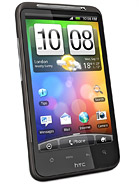
It's been a while since I promised updates to what it's like living with a Quad-Core beast of a phone that likes eating Ice-cream Sandwiches, but the truth is I'm so reliant on using it for quite possibly everything in my life, going back to this keyboard seems a little antiquated.

A green, white, box
The key thing here is tactility. A strange one I know, but it really isn't something you can get by watching videos, reading most reviews or looking at specs online before a purchase. But the HTC OneX feels amazing. It may take a little getting used to and perhaps for the first few minutes it may even feel cheap, but this soon changes. The screen for instance, is curved at the edges. A tiny detail, but when you are swiping left or right across the screen, the very edge is smoothed over.

Combined with a very light weight, high quality plastics on the rear (that have an almost matte feeling) with an embossed HTC logo and the phone feels lovely to behold. Now that may seem a little odd, anal even, but when you consider how much you actually use a phone and how often it is in your hands, it doesn't seem so daft to point out after all. It really gives the phone a premium feel, a sense of purpose and this is something that Apple have managed for years with the eponymous iPhone. I'd argue this is the first phone not from Apple to really match it on build quality (and funky packaging).

A OneX, Lens Cap Not Included
Then the look of the phone is something quite subtle. From directly above it looks like any other run of the mill HTC, but with a large screen. Perhaps, even too much like my old DesireHD, alongside each other the OneX doesn't stand out initially. But side on, sat atop a table for instance, there is a really cool swage line that tricks the eyes into thinking it has a curved profile. In actual fact, the phone is completely flat. I've tried to show that in the pictures, but perhaps it has to be seen to understand how a clever little touch changes the entire look.

So, it is a quality product that is leaps and bounds forward over previous HTC devices from a design standpoint. What about what it's like to live with. After all, it may be one of the (if not the?) most powerful phones on the market, but if that was reason alone to buy one we'd all be buying Blackberry Curves or Nokia Lumia 900's. But we're not. Come back later this week for more and in the mean time, check out the quick video below when I opened it and turned it on for the first time. I've also made a G+ picture album and read the image captions for more impressions (for instance, transferring old contacts to new phone using Bluetooth is pretty swish and every so useful).


A follow up post to A New Phone: Taking The Plunge

Friday, 29 June 2012

A New Phone: Taking The Plunge

I have a HTC Desire HD. I bought it from new towards the end of 2010. At the time it was a very new model. My policy with phones is that because the market changes so quickly it is imperative to get a phone that is hot off the press as to try and be as future-proof as possible. Of course, this is hard to do as you are locked into a 18 or 24 month contract. But buying as early as possible is far better than buying an older model for a little less money. For instance, while I'm sure buying a new iPhone 3GS (which you can still do, as I write this) will give you plenty of badge and apps for relatively little expenditure, it already looks out of date and receives less improvements with every iOS update. Now imagine that phone 23 months from now. Or even worse, if you were one of the poor soles that bought a WindowsPhone recently....

So, to rewind to 2010 again, the DesireHD was running the up and coming Google developed Android OS and was, at the time I believe, the most powerful Android device available. Over the following 18 months I have thoroughly enjoyed my ownership. It is rare, which I quite like. The exact model was replaced quite soon with a HD2 and Evo 3D models, but the basic design and processor were much the same. I have never seen anyone else with the same phone. The only negative in this respect I found was lower spec Desire & Widlfire devices damaging the image and consumer satisfaction of running android (despite having less power and lower versions of android). So, I felt quite unique and it ran all the apps I needed for social media.

But as the last 6 months of technological advances occurred I started to feel phone-envy. Ice Cream Sandwhich 4.0 Android came first on the Galaxy Nexus and then to the HTC OneX & Samsung Galaxy S3. Not only that, but with a full memory and 18months of heavy daily use, my little old DesireHD was starting to look a little tired. Easily quicker than an iPhone 3GS and just about keeping up with an iPhone4  it was time to look around for a new pocket-able steed. (As an aside, ICS will be available soon on the DesireHD, but it remains to be seen how smooth the now old device will cope).

A Galaxy S3, Just In Case You Weren't Sure...
The obvious choice at the moment is the Samsung Galaxy S3. In 2011 the worlds best selling phone was the Galaxy S2 and it's easy to see why. Currently upgraded to run ICS, I've had plenty of time to see how nice the screen is and how quick the thing is at loading web pages & apps seen as my brother owns one. With the recent introduction of the S3, there is an even bigger and sharper screen, quad-core processor and a whole host of new Samsung apps that work in conjunction with ICS from the ground up. Having tried one out on several occasions, I was sorely tempted.

But, then there was good old HTC, also with ICS, large screens & quad-core power in the shape of the OneX. Not only that, but HTC reportedly spent more money designing the phone than on any other device in their history in order to impress in terms of looks and ergonomics (an area where Apple have a strong advantage). Once again, I tried before I bought. In fact, a good friends of mine DavidJMClare traded in his iPhone 4 for one and he loves his Apple products (iPod's, MacBooks, Apple TV etc) so there must be something to it.

The pros to the Galaxy were the nicer screen, more Samsung apps and a far better image (not overly important to me, but everyone knows what a Galaxy is, whereas it's simply not cool when I have to explain what a HTC OneX is....). The unquestionable negative is the actual build quality. I really like the phone, but it feels tacky to behold. The OneX on the other hand is subtle. Initially, it looks like any other HTC, but as soon as you hold and use the phone, you soon realise that this one of the best designed phones out there.

Close then, but the deciding factor was cost. The OneX was available with a free phone, £36 per month, enough internet/calls/sms to shake a stick at and, the clincher, only on a 12month contract. The iPhone 4S (which is now over 6 months old) and the Galaxy S3 could come anywhere near as close on cost per month, or having to pay up front and a minimum of 18months (most 24) contract.
So, there, I bought a HTC OneX. Now there will be a series of blogs with what I think and what it's like to actually own one. Stay tuned.

Tuesday, 19 June 2012

Why Car Adverts Are Always The Best

OK, I'll admit it. I've got a bit of a problem. I am quite literally obssessed with cars. Good, that's over and done with.

Moving on, as a result, one of the best bits of watching TV as a youngster was eagerly anticipating which car would be advertised during each ad break. But, casting aside my fondness for anything with 4 wheels, I have always thought that cars of one of the paradigms for TV advertising. Fortunately, Car Magazine have compiled this amazing playlist featuring what they claim are the best car adverts from the past 50 years. I have to say, I spent perhaps too long watching these, but if nothing else it acts as a barometer of how advertising has evolved and changed over the years. Check out the link below for the full playlist and see embedded in this post a couple of my favourites.

http://www.youtube.com/playlist?list=PL23FFB58A3375BFA8&feature=view_all


Monday, 26 March 2012

GAME's Failure | What Went Wrong

GAME is the UK's largest video games retailer. The business grew exponentially through the early 00's, the buy out rival company GameStation in 2007 being their biggest move. Even further back they went on a spree of buying out independent stores and chains like Electronics Boutique (initially a merger until a full takeover in 2004, oddly enough from the company now known as GameStop in the US) to build a games empire of over 670 stores nationwide. But today is a big day for the retail outlet as the administrators are calling time. No one is sure at the time of this blog, but it looks like Game and Gamestation stores nationwide will be closing very soon.

"In April 2010, CEO Lisa Morgan resigned; Looks like she jumped at the right time."

But why did this happen and what does this mean for video games as an industry? The "why" part cannot be answered truly as of yet. I'm sure it will all come out in the wash, but at the moment all the finger pointing is mostly assumptions and educated guesses, most of which I will cover below, plus my own thoughts. In April 2010, CEO Lisa Morgan resigned after a 28% dip in profits in the 2009-10 fiscal year, departing with a promise of reducing stores by at least a 100. Looks like she jumped at the right time.

A thing of the past?
Come January 2012, the then CEO Ian Shepherd issued a profit warning, amid fall stock prices and rumours of the company breaking it's bank loan terms. He remained confident that "the company was in good shape for a recovery" and blamed the poor performance on people only buying the main franchises like FIFA of Call of Duty as opposed to a wider range of titles.

As we now know, recovery was almost impossible. But the point that Mr Shepherd made is what interests me most. While EA's FIFA titles are massively popular and Activision's Call of Duty series continues to break sales and pre-order records, there is the feeling that a lot of people
only play those games and nothing else. I personally know a lot of people that see their games console as simply "FIFA Machines" (or Modern Warfare, replace where appropriate). It is seen that, if you really get into such games, then you spend hours upon hours completely engrossed in the action. These titles offer a gaming experience that can, and often does, stretch into hundreds of hours of game time and still continually top the sales charts. The net result could be that a lot of people are less likely to buy anything else, as all their time goes into buying new DLC map packs for COD or packs of Ultimate Team rosters for FIFA, to even further extend the game.

(T
he same could be true of Wii Fit, Zumba Fitness and Wii Sports - People bought them, but then didn't move on to something new)

While GAME and other retailers have tried to counteract this buy selling vouchers for such downloadable content, there are 2 main problems with that model. First is that your market for such products is limited, as you are appealing to only those who are either too young to have a credit/debit card or those who refuse to input details online. Everyone else can simply buy game add-ons online, through their games console, on the couch, at the touch of a button and be playing it minutes later. Second is that profit margins on such vouchers is virtually non-existent. For instance, after a bit of digging around and talking to someone who owns an independent games shop (apparently one such thing still exists!), the profit on an XBox Live points card (on average) for instance, is around £1.20. To make anything meaningful, you have to sell bucket loads, yet as I have mentioned, you are targeting only a select group of gamers.


"Strong price competition and diminishing margins on new games meant a focus on used games." 


Gamestop in America say that "50%" of their profit comes from the used game market. The same could be true of GAME and Gamestation in the UK. Over the past few years, if you visited one of their stores, they had larger store space for their used game range. Strong price competition and diminishing margins on new games (or any electronic goods, including games consoles) meant a focus on used games. Other companies like Computer Exchange have seen growth over the past 10 years or so, focussing on second hand items. It was perfectly logical for GAME to push this area of the market (something that could not be avoided if you bought something new, with staff trained to tell you about trading in the game once you have finished it). Buoyed by the stronger profits garnered from used games, many other business have also entered the used game market place, which is taken away from GAME's market share. The growth of CEX is a main competition, but now even supermarkets like ASDA Walmart offer second hand games.

This however, had a knock on effect. The publishers and developers of games don't see a penny of a used game sale and with GAME stores selling more and more used games, they decided to act. In an unpredictable global economy, not only have publishers invested heavily on their strong franchises and well established titles like FIFA or COD, but in many cases they have also tried to prevent the used game market. Many games now come with online codes, known as an
Online Pass. Buy a game new, and you input the one-use-only code to unlock in-game extras and online multiplayer game modes. Buy it second hand, and you can't play that game online without shelling out £6.99 on a code (through your console only, not through in-store vouchers). Therefore, greater incentive to buy new, less used game sales, more money directly to the publishers and less profit for retailers.

So, by chasing greater return on investment, the publishers of games have been hurting the retail games market. Yet, if the retailers perhaps did not focus on the used game market so heavily, the online pass would not be in existence. For GAME it was the perfect storm. Not only were people only buying the big games, they were extending their gaming experience by buying extra game content online and then not buying used because of online codes. Next, throw into the mix GAME's massive expansion of the last 10 years. They had a declining market, a large number of employed staff and long-term rent leases across hundreds of stores. You have to say it was always going to be a struggle. Then again, hindsight is a wonderful thing.

Sadly, with today's 
rumoured news it looks like the failure to find a buyer means the end for GAME as we know it. There is a brand name that has a high awareness and some loyalty (those GAME reward cards don't count for nothing). There is also still potential for a high street supplier for the gaming industry. While a lot of people buy games online and despite a shift towards downloading games instead of physical copies, there is still strong demand for a boxed, tangible game, seemingly more so than in other entertainment industries.


"A quick glance in the comments section of any GAME related news article shows that a lot of people where unhappy with their pricing."

One main sticking point with the gaming community seems to be that prices were too high at GAME (a quick glance in the comments section of any GAME related news article shows that a lot of people where unhappy with their pricing). While most new release titles in their stores were selling for £40-£45, a quick look around online would net you the same game, brand new, for up to £10 less. A lot of angry internet people like Bob336 or StarWarsRulez86 are quick to lay the blame at their pricing strategy. But with tighter margins, online passes and lower sales of the number of different games sold then the prices had to increase, especially seen as the cost price is most likely to have remained the same.


You could argue then, why were other places cheaper? Well, online outlets like Play.com (based in Jersey) and Amazon (technically registered Swiss, so not part of several EU trading regulations) are in nice cushy positions whereby they pay less or no tax. The EU regulation that helps internet traders avoid tax is about to change however, with a bill recently passed to change the taxing policy to be based on the delivery destination, as opposed to the location of dispatch. However, this will take another 2 years before the effects are seen and way too late to help GAME. Increasing VAT to 20% couldn't have helped GAME's cause either amidst the competition.


But supermarkets do have to pay tax, yet still they manage to be extremely cut throat and competitive. This is actually relatively simple. By selling games in their stores, they are enticing you to shop there and maybe pick up more profitable items like mushrooms or soup. They can afford to offer lower prices as this is offset by the large range of bananas. This also means they can do the odd loss-leader, such as the crazy Call Of Duty Modern Warfare 2 prices that Sainsbury's and ASDA did upon release. Having said all of that, a quick look at ASDA reveals that their prices have actually 
risen of late too.

In summary then, combining all of the factors mentioned above (some of which are the games industries fault, some of which are GAME's fault) what we are facing in many store closures which means empty shops across the UK and more importantly, the possibility of 6,000 unemployed people. PricewaterhouseCoopers have been selected as the administrators and in sacked GAME CEO Ian Shepherd's final
statement it is said that they will "make big changes both to the store estate and in the office, but will be doing so with a view to creating a trading business that we can attract a buyer for." I other words, cutting the fat, job losses and store closures. The word today is that 2,000 jobs will be lost almost immediately and as I passed by my local GameStation on the way home from work, it was shut. A note was over the door stating that Wakefield would be me closest available outlet (quite far from Leeds).

It is sad to see the probable loss of yet another well-known 
high street name and the unemployment that follows. Not only that, despite their huge losses, GAME and GameStation stores certainly sold a very healthy number of games. While online only sellers, supermarkets and HMV will do well to fill the gap, this is still sure to affect game sales. The lack of a dedicated, specialised game shop on most high streets has to be detrimental to the industry as a whole. By simply having a presence and a big sign on the high street, that reminded people to play video games and helped gaming reach a larger audience. Of course, there is an opportunity here for either a smaller company to become slightly larger (like Grainger Games) and it may not be a bad thing for the consumer in the long run provided whoever it may be that profits from the demise of GAME doesn't make the same errors.

Certainly, GAME made plenty of mistakes, but the games industry itself is far from innocent and it could well be that they have shot themselves in the foot.


Sources | BBC, MCV UK, GFK Chart Track, The Telegraph, The Guardian, TheSixthAxis.com & Reuters.

Saturday, 3 March 2012

The Dark Art Of Ordering A Coffee

I do enjoy a good coffee. In my uni days I went a little feral and drank far too much caffeine. However, after giving it up completely for a good 6 months, I can now go back to enjoying a nice warm, sugar fueled, cafemochachino drink at a trendy hangout, with the only worry being how to pronounce the bloody drink.

Me panicking out of shot...
Upon arrival at any one of the million coffee places in town, I normally have a quick read of the menu board. I will quickly  find something suitable and wonder how to say it properly. There are several people in the queue, 3 or 4 staff members and a bustling environment full of city dwellers. In other words, a large audience in which to make a fool of myself in front of. The monologue in my head usually goes along the lines of: "Right, so, it is not small, medium or large, but Grande, Tall, or regular. Then how on earth do I pronounce Espresso Con Panna. Wait, isn't that a realy small drink, so can I even have a Grande of that? Is Grande even that big?! Right, say it again, slowly. Espresso. Con. Panna. Please." Before I've had sufficient practice time, it is my time to shine. I inevitably end up saying something like "one medium Espressa Can Ponne, per favore", recieve a blank look, repeat it again and get something completely different to what I intended. Blown it.

Putting my awkward moments aside, a coffee shop is the perfect example to explain to someone what marketing is. It is often assumed I like watching adverts, which is true and that marketing is merely creating them, not true. "Oh, so, Marketing, is that Advertising then?" To which I have to duly agree to, or change subject. Explaining target markets to your dentist isn't exactly the most exhilarating conversation he will have all day.


"I know coffee smells wonderful, but it is almost as if they deliberately channel the aroma out onto the street"

mmm, coffee
A quick visit to Caffe Nero shows exactly what my answer would actually be. First, that smell. It is absolutely captivating, right? I know coffee smells wonderful, but it is almost as if they deliberately channel the aroma all around the store and out onto the street (a tactic I am certain Subway do, the smell is so potent outside their outlets and oh so inviting). An immediate hook, like in a really catchy song. The silly names in part also portray something that is far more classy and civilized than it actually is. A warm brown liquid is not cool, neither is "a mug of coffee love" (said in a strong Yorkshire accent). But a Caramelatte certainly is. Next, the mugs themselves. Oversized, which means two things. One, more room for cheap froth (as opposed to relatively expensive coffee, boosting margins) and differing from a roadside cafe, a greasy spoon or your home, therefore more upmarket.

Not only that, but price is a major factor. By making the drink way more expensive than it by rights should be able to get away with, plus some brown leather sofas, it creates this illusion of sophistication. To quote one of the best slogan's ever used, a coffee shop is Reassuringly Expensive. Add all of those factors together and you get a product that costs on average 20p-60p to make, being bought for upwards of £4/£5. You see, my mind doesn't work like a normal person's. They won't realise most of this. Or they will, but they won't realise it's all extremely clever and well thought out to create an expensive air so they can charge more.

So, in summary it is over-priced, I make a fool of myself and we all enjoy spending time there. That is marketing.

Tuesday, 21 February 2012

Dodging The Bullet

Classy
I was reading an article the other day about the failure of Blackberry. It was suggesting that they focussed too much on the weakness of their devices, instead of backing the advantages. In other words, they were playing catch up instead of pioneering. This in turn reminded me of an episode of Mad Men, whereby Donald Draper and his cronies were forced to re-invent the direction of a lucrative cigarette advertising deal, due to pressure from health groups publishing the fact that smoking can lead to cancer.


What they did, was simply highlight an advantage to smoking. The new Lucky Strike slogan was to be "It's toasted". Instead of trying to push the lifestyle or stating that smoking is healthy, they simply focussed on a different strength of the product. Now, take that approach and apply it to every day products. It is everywhere.


"The king of such a marketing tactic, however, are the golden arches"

When in Greggs the other day, the brown paper bags they put a pasty in proudly boasts that their Steak Bakes only have "prime cuts of beef". This is great news, something to shout about and gives off the image of a higher quality product. Of course, it is a mass produced pastry good, that costs under 10p to produce at most with all the nutritional value of, well, a Greggs pasty. But they have averted your attention away from such facts.


Lettice, must be good for me then
The king of such a marketing tactic, however, are the golden arches. McDonalds is always trying to tell us how "Fresh" their coffee is (despite being full of sugar) or how they sell bags of carrot sticks (that no one buys). The best ploy however is their British Beef campaign. The TV advert features innocent children (awww, so cute) playing around a farm in the countryside (full of green, green grass and fresh air) with the slogan something along the lines of "100% British Beef in our burgers". Well, great, well done McDonalds, by playing on a healthy environment with those who we cherish most, they come across all earthly. It may be British Beef, but that does not mean that a Big Mac is healthy for your children or that the meat is any good. I just meens they are playing on that little bit of jingoism we all have inside us. They even decorate their lorries with the slogan (which is probably just a lorry full of salt) and even the bit of paper on your tray as you carry your calorie filled McFlurry across the restaurant states it to reinforce how caring and sharing they are. Yeh, right.


This may read like a rant about Mcdonalds, but really it is genius and every company that employs similar schemes are the ones that succeed. Those that don't, flounder. Simple really, but with this in mind, it is genuinely surprising how blatant such campaigns are once you realise the workings behind it. Keep your eyes peeled next time you visit the supermarket...


Monday, 20 February 2012

So The PlayStation Vita Is Doomed, Right?

I admit it. I like playing video games. I know, that makes me a smelly, over-weight, single hermit that lives in a dark room and collects figurines from Star Wars. Or that's what you would assume if you lived in 1995. But you don't, you live in 2012 and everyone you know plays games, even yourself. Wether it's your mum playing Wii Fit, younger brother playing Call of Duty or yourself playing Peggle on your iPhone while on the loo (yes, I'm looking at you) games are no longer the reserve of TheKeith-en-ator2000, playing hours upon hours of Second Life.

Some controllers, yo!
One thing that has been interesting to watch over the past 10 years or so is the fall from grace of the PlayStation brand, while at the same time the world now plays on Farm Ville. Surely in a world where more people than ever before play video games, Sony were the ones in the prime position to capitalize. As I mentioned in another post, managing to get your product as the "de facto" in it's field is marketing gold dust. PlayStation used to be the term for playing games. Every week another article (most likely to be featured in the News of the World) would claim how "PlayStation ruins 13 year old child's education" or a TV presenter trying too hard to be down with teh kidz would throw in the term "Playing PlayStation" at every possible juncture. Yet, much like the Murdoch's falling empire, PlayStation isn't exactly in the public's zeitgeist any more.

No, that is XBox. By reading any lifestyle review section in a newspaper or magazine and you won't be able to go 3 paragraphs before reading the word "XBox" or "Kinect". A quick glance at television reveals that every single living room in the UK has factually got a Kinect. While Sony continue to churn out great games on what is undoubtedly a wonderful machine (I use mine everyday), the PS3 just seems a bit, well geeky. Geeky is not cool. No one really wants to be geeky. No, Geek-chic does not exist, that's just a polite way of saying someone has glasses.

Dad clearly had some constipation issues
When you buy an XBox you are not buying a machine to play games. Technically you are, but Microsoft never tell you directly. The wider audience will never get an Xbox with Kinect because it can do this, or that, or that the graphics are crazy or the voice activation a technical marvel (even though the device is, honestly, a bag of balls). Neither are they simply buying a games console with a penchant for displaying red lights. They spend their hard earned cash to buy into the lifestyle created by those cheesy adverts, YouTube videos and those family orientated editorial adverts in glossy publications.

Sony do none of this. A fact that always seems to get the angry video game forum goer (and they are very angry, because that is an entitlement on the internet) never fails to raise. You are endlessly reading articles, comments and posts lambasting Sony for their poor efforts at "marketing". Sony are about to launch the new PlayStation Vita and there are a whole host of articles comparing it to SmartPhones ("where you can get games for only 69p as opposed to £45"), with a general feeling that it will struggle in a market place dominated by apps.


"What never fails to surprise me is the general public's perception of what marketing actually entails."


Well I'm sorry, but of course it will. That is missing the point totally. The Vita does not exist to combat that. Sony phones are designed for that job, a fact that everyone has completely forgotten. The Vita has one of the clearest target markets for a new product for quite some time. While other companies are trying to spread their wings in search of a giant slice of mainstream appeal pie, Sony has switched their focus (for the time being) at the core customer. There is always a danger of trying to appeal to everyone. This simply is not possible without potentially damaging what made the product so great in the first place (do not mention Rare Ltd, I start to cry).

What never fails to surprise me is the general public's perception of what marketing actually entails. An expensive TV advert is only a tiny, tiny part of it. Taking the Vita as a prime example, Sony have really listened to what consumers wanted. They realised that there will always be a market for the gamer. There are features that people complained that the old PSP never had (two analogue sticks). There are the massive PS3 game franchises like Uncharted, LittleBigPlanet etc etc and collosal power even by home console standards. All topped off with a sprinkling of 3G, OLED and Touch Screen. It is all things to all gamers. By targeting a very specific market you can achieve a very strong, hardcore, loyal following. This can provide you with a solid foundation from which to build on down the line. 


2 typical Vita customers, and some men..
By aiming at the informed and technologically minded consumer first, the hope is they are the sort of person that will tweet about it, blog about it, post a video review on YouTube and generally spread the word to people they know who are perhaps less well informed. Ideally this will then snowball and in 2 or 3 years time you will still have a product that is selling well, provided you then start developing games aimed more at the FarmVille crowd.


So there, on paper the Vita is a perfectly executed Marketing Strategy. I just need to wait a while to see if the plan actually works. In the mean time, I'm off to pre-order one.